
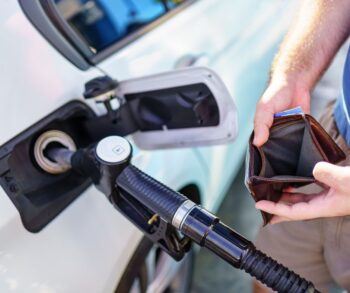
 Gas prices continue to fluctuate, and for many families, fuel costs are still a major part of the monthly budget. While we can’t control prices at the pump, we can control how efficiently our vehicles use fuel.
The good news? Small habits and simple maintenance can make a noticeable difference. no matter what you drive.
Smart Driving Habits That Save Fuel
You don’t need to overhaul your entire routine to improve fuel economy. A few intentional changes behind the wheel can go a long way:
Drive at a steady speed
Whether you’re running late or just used to fast driving, higher speeds burn more fuel. On highways with speed limits between 65-80 MPH, your best fuel efficiency typically happens around 65-70 MPH. Using cruise control when possible can also help maintain consistency.
Avoid aggressive acceleration and braking
Quick starts and sudden stops waste gas. Gradual acceleration and coasting to stops not only improve MPG but also reduce wear on your brakes.
Limit idling
Letting your car idle, especially during cold mornings or while waiting in parking lots, uses more fuel than many people realize. Modern engines don’t need long warm-ups, even in colder climates.
Reduce extra weight and drag
Roof racks, cargo carriers, and even unnecessary items in your trunk can lower fuel efficiency. If you’re not using them, remove them. You’ll save more than you think.
Plan your trips
Combining errands into one trip and avoiding heavy traffic times can reduce unnecessary miles and fuel usage. With today’s navigation apps, it’s easier than ever to find the most efficient routes.
Keep Your Vehicle Running Efficiently
Even the best driving habits won’t help much if your vehicle isn’t properly maintained. Regular upkeep is one of the most effective ways to improve fuel economy.
Check your tire pressure regularly
Underinflated (or overinflated) tires create more resistance on the road, which reduces MPG and can be unsafe. Make it a habit to check your tire pressure every time you fill up (or at least once a month).
Replace air filters as needed
A clean engine air filter helps your engine run efficiently. Most vehicles benefit from checking or replacing filters every 3–6 months, depending on driving conditions.
Stay on top of oil changes
Using the right type of oil and keeping up with regular oil changes reduces engine friction and helps your car perform at its best.
Keep up with routine maintenance
Spark plugs, fuel injectors, and sensors all play a role in fuel efficiency. If your vehicle feels sluggish or your MPG has dropped, it may be time for a tune-up.
Consider newer fuel-saving tech
Many newer vehicles (even non-hybrids) now include fuel-saving features like automatic start-stop systems and eco driving modes. If your car has these features, use them; they’re designed to save you money.
Let Us Help You Save at the Pump
If it’s been a while since your last oil change, tire check, or general inspection, now is a great time to get your vehicle looked at by the team at Tommy’s. A well-maintained vehicle doesn’t just run better, it saves you money every time you drive.
At Tommy’s, we’re proud to be a trusted and reputable team that helps keep your vehicle running efficiently and safely. While we all hope fuel prices ease up, taking a few proactive steps now can make a real difference in your wallet. Schedule your vehicle maintenance today!