What You Should Know About Deer Safety
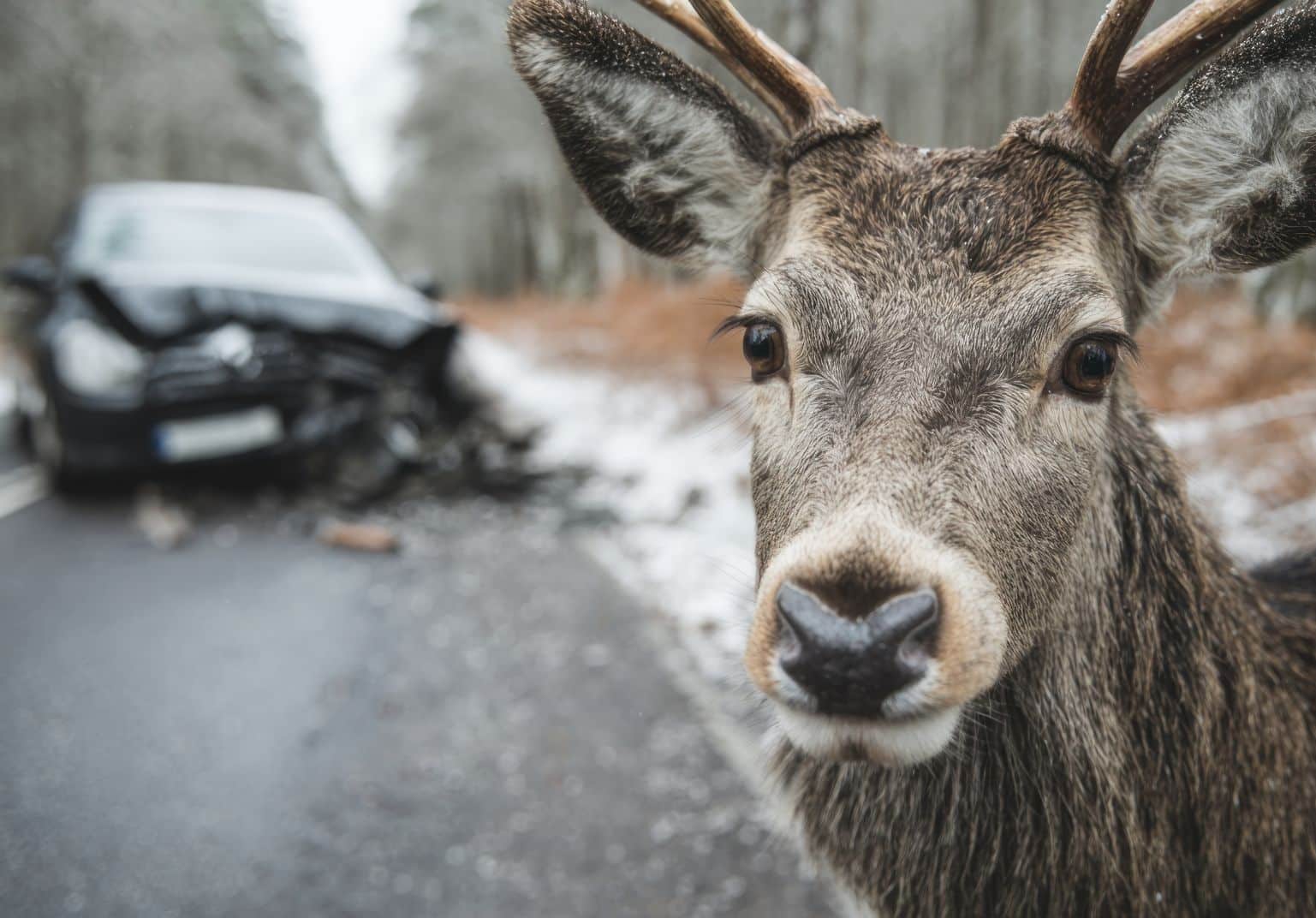
Deer collisions are a bigger concern than most drivers realize. According to recent insurance industry data, over 1.5 million deer-related crashes happen in the U.S. every year, causing thousands of injuries and millions of dollars in damages. In Pennsylvania alone, your chances of hitting a deer are 1 in 61! With deer populations thriving in both rural and suburban areas, it’s more important than ever to know how to reduce your risk.
Whether you’re driving home from work, taking a weekend trip, or just running errands near wooded areas, these tips will help you stay safe on the road.
When Deer Are Most Active
Deer aren’t just a fall hazard anymore; they’re active year-round, but risk peaks during certain times.
- Dawn and dusk remain the most dangerous hours because deer are moving to and from feeding grounds when visibility is low.
- October through February is high season. Deer are most active during the fall mating season, and winter pushes them into new areas in search of food.
- Expect groups. If one deer crosses, slow down immediately; there are usually more following right behind.
How to Drive Defensively Around Deer
Even the most experienced driver can be surprised by a sudden leap into the road, but practicing defensive driving can make all the difference.
- Slow down in deer-prone zones. If you see deer crossing signs or you’re driving near fields or wooded edges, ease off the gas.
- Stay alert and scan. Keep your eyes moving and watch the sides of the road for movement.
- Use high beams wisely. When there’s no oncoming traffic, high beams can help you catch the reflection of deer eyes earlier.
- Don’t swerve. It’s natural to want to jerk the wheel, but swerving can send you into another vehicle, a tree, or a ditch. Brake firmly and stay in your lane.
- Tap your horn. A long honk can scare deer into backing away from the road.
Modern Tools That Can Help
Technology is making it easier for drivers to avoid collisions:
- Collision-avoidance systems in newer vehicles can automatically brake if an animal is detected.
- Thermal or night-vision systems (in some vehicles or as aftermarket add-ons) can spot animals even before your headlights do.
- Wildlife-collision maps and apps now highlight high-risk roads so you can be extra alert in trouble zones.
If You Hit a Deer
Even with the best precautions, accidents happen. If you hit a deer:
- Pull over safely and turn on your hazard lights.
- Stay in your vehicle. Injured deer can thrash and cause harm.
- Call local authorities. They’ll know how to handle the animal and document the crash.
- Take photos for your insurance company.
- Get your car inspected. Even if the damage looks minor, deer collisions can affect your suspension, frame, or cooling systems.
Keeping You Safe After a Collision
At Tommy’s Automotive, we’ve seen our share of deer-related repair jobs, from dented fenders to major front-end damage. If you find yourself in this situation, our team is here to get your car back on the road quickly and safely.
Stay alert, stay prepared, and remember: while you can’t control wildlife, you can control how you react behind the wheel.

From simple recharges to full-on compressor replacements, our team can handle any A/C repair job. Services include:
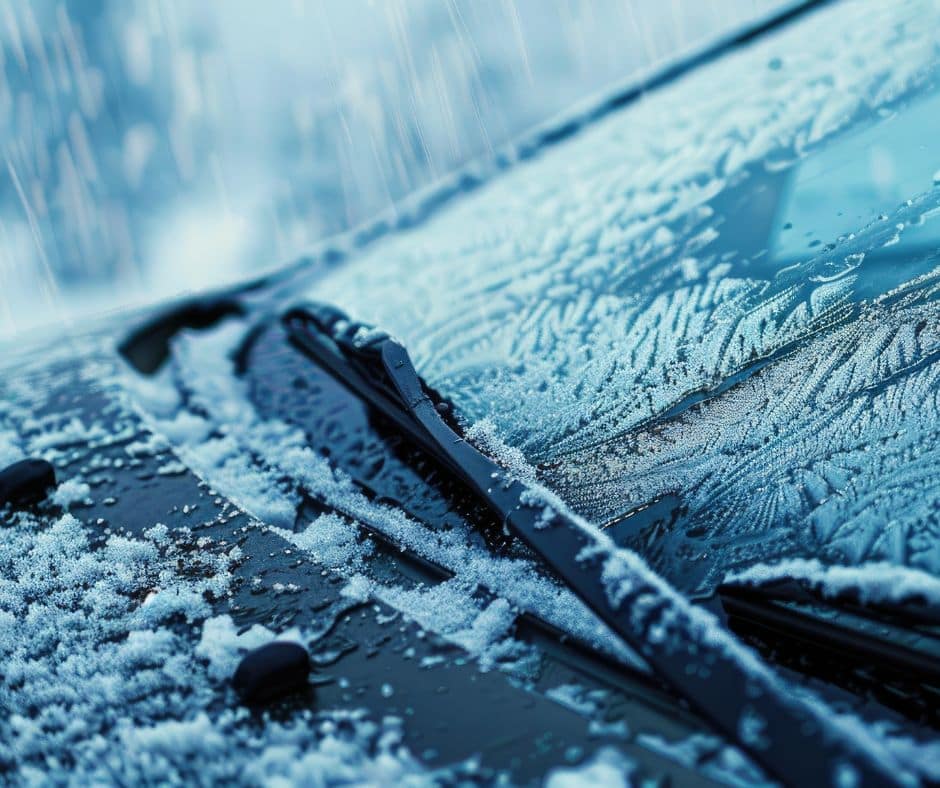
Rain, fog, ice, dust – nature’s elements can impair visibility while driving – regardless of the time of year. In the winter, though, we may notice the condition of our windshields, wipers, and headlights more than any other season. Dust, grime, and moisture can build up in our headlights, reducing our ability to see and be seen. Likewise, ice damage on windshields and wipers can also cause a hazard. At Tommy’s Automotive, we are committed to your – and your family’s – safety.
Headlights are essential for safe driving, especially in winter’s longer nights and frequent storms. If they’re foggy, dirty, or dim, your visibility (and safety) is compromised. Here’s how to keep them in top shape:
Whether your college student is off to West Chester University, Chester County CC, or another nearby university, one of your top priorities is ensuring your child’s safety, both on and off campus. While your student may be excited about the newfound freedom of driving, it’s crucial to ensure they possess the knowledge and skills to maintain their vehicle properly. Teaching your college drivers about car maintenance not only helps them stay safe but also saves money and fosters responsible driving habits.
Budgeting for Car Maintenance
Temperatures are heating up and one of the best ways to escape the heat is by taking a drive. Whether you set off to the beach, a nearby tourist destination, or you decide you want to spend some time in an air-conditioned car – a summer drive can be the refresh you need. Before you gas up and hit the road, there are some summer driving tips to consider.
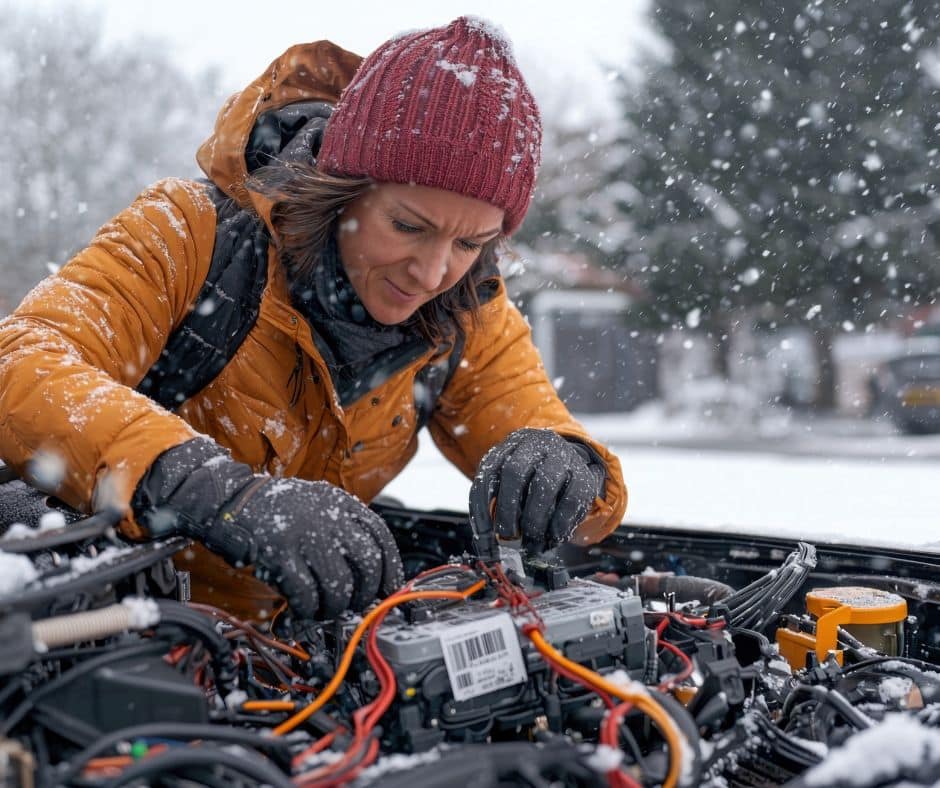
Coming out of a winter where temperatures can frequently dip below freezing, you may be wondering whether or not your car’s battery is going to need replacing. While the average car battery lasts anywhere from 3 to 5 years, many factors contribute to its lifespan. At Tommy’s Automotive, we routinely check our customer’s car batteries and can recommend replacement based on a few things.
Winter may be one of the most important times to stay on top of vehicle maintenance. Cold weather can be hard on vehicles, so making sure your oil is changed, the gas tank is full, and your tires are in excellent shape can help you stay safe on winter roads. Inspecting the tire pressure and tread regularly will ensure your safety and keep your vehicle’s health in check.
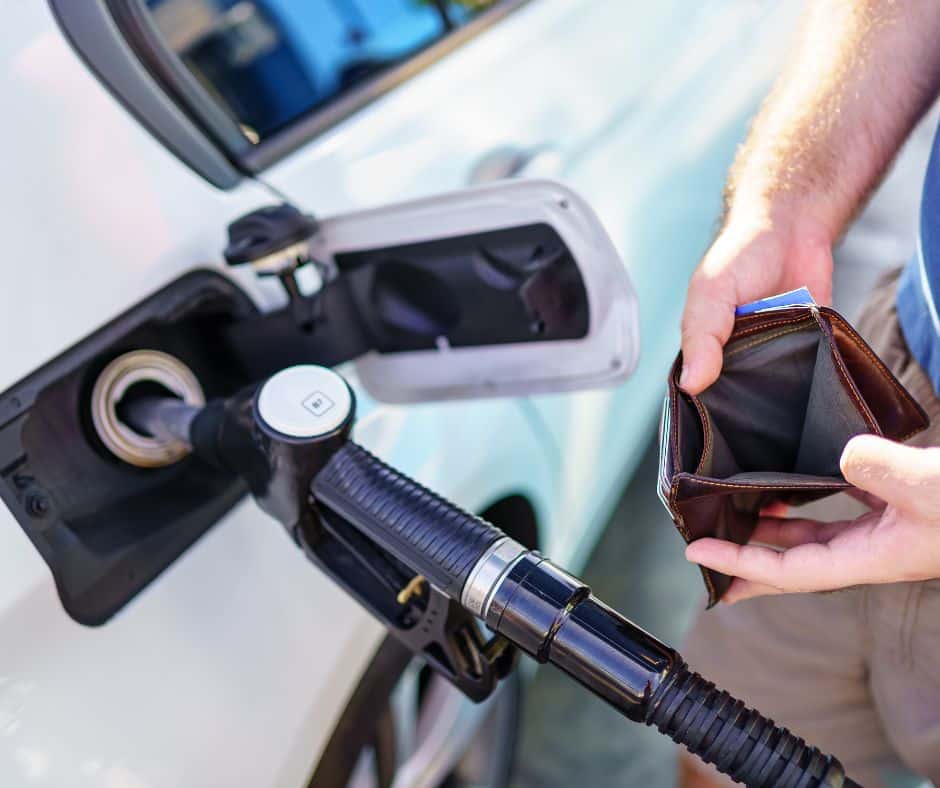
As gas prices continue to climb, many of us are feeling the pain at the pump. While no one can say when the fuel costs will go down, there are some great ways you can save some money and get better fuel economy – no matter what vehicle you drive.
Oh, Canada! No, we aren’t singing their anthem . . . but we are breathing in their air, and that hasn’t been a good thing. If you have noticed the increase of smokey days around Pennsylvania this summer, we can thank our neighbors to the north. While you may feel you can breathe easy indoors or in your car as long as the windows are up, you would be wrong. When smoke particles in the atmosphere increase, breathing them in can cause a lot of health damage. That is why using HEPA filters in your homes and cars is critical.
Shawn T Wagner, our friend and coworker here at Tommy’s Automotive, unexpectedly passed away July 11th, 2022 in a tragic boating accident. Shawn was with the company for 10 years and a friend long before that. He would do anything to help a friend and was the type of guy that would stop to change a flat tire for a stranger in the rain.